If you've been navigating the complex world of digital workflows, you've likely heard the buzz about WebMCP. But what exactly is it, and how can it transform the way you manage projects, data, and team collaboration? In this guide, we'll unpack everything you need to know about this powerful tool, from its core features to practical ways it can streamline your daily operations. Whether you're a seasoned project manager or just starting to optimize your processes, you'll find valuable insights here.
What Is WebMCP and Why Does It Matter?
At its heart, WebMCP is a versatile platform designed to centralize and automate key aspects of web-based project management. It acts as a bridge between various tools, data sources, and team members, ensuring that information flows smoothly without the usual bottlenecks. For teams tired of juggling multiple apps and dealing with constant context-switching, WebMCP offers a unified interface that feels like a breath of fresh air.
But it's more than just a convenience tool. By providing real-time synchronization and customizable automation, it helps reduce manual errors and frees up creative energy for the work that truly matters. Many early adopters report not just time savings, but also a noticeable boost in team morale—and that's a win for any organization.
Key Features That Set WebMCP Apart
Understanding what makes WebMCP tick starts with exploring its standout features. Each component is built with flexibility and user experience in mind, so you're not forced into a rigid workflow.
Centralized Dashboard for Real-Time Oversight
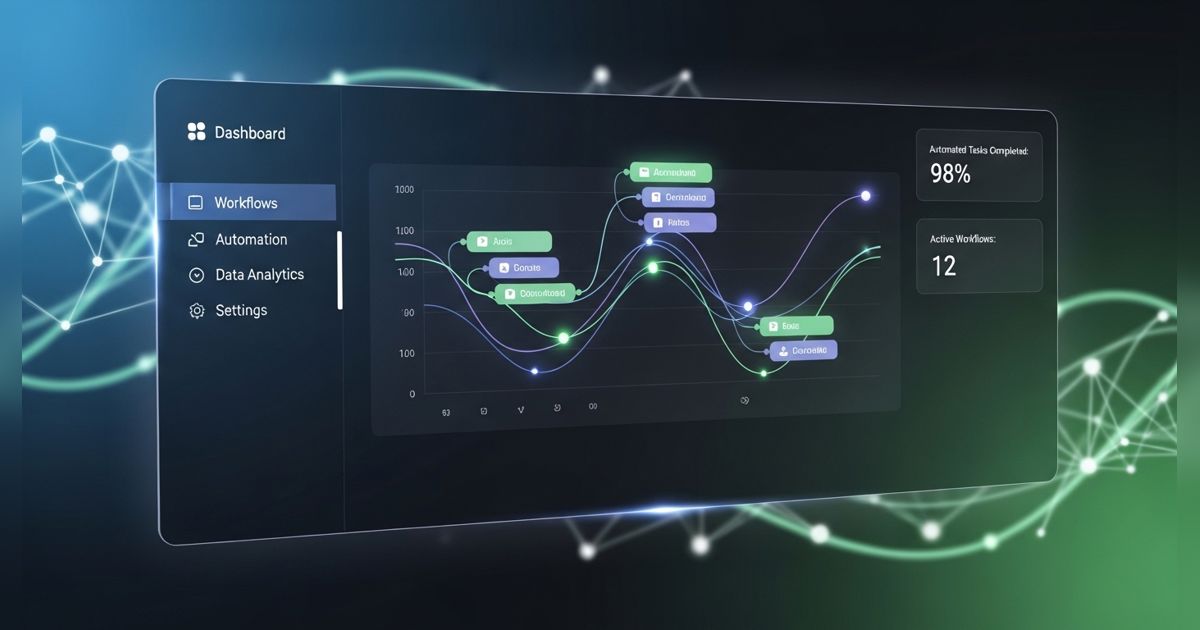
One of the first things you'll notice is the clean, intuitive dashboard. From here, you can monitor ongoing projects, view pending tasks, and check team availability—all in one glance. No more digging through endless email threads or Slack messages to get a status update.
This bird's-eye view is particularly useful for managers who need to allocate resources quickly. With visual indicators and customizable widgets, you can tailor the dashboard to show exactly what matters most to your team.
Seamless Integration with Your Existing Stack
We all have our favorite tools—whether it's a CRM, a communication app like Slack, or a file storage solution like Google Drive. WebMCP plays nicely with a wide range of popular services, meaning you don't have to abandon what's already working. The platform uses APIs to sync data bi-directionally, so updates in one place automatically reflect across the board.
This integration capability is a game-changer for teams worried about migration headaches. You can start small, connecting just a couple of tools, and expand as your confidence grows.
Automated Workflows That Save Hours
Repetitive tasks like data entry, status updates, and even client reporting can be automated with WebMCP’s intuitive workflow builder. You can set triggers based on time, events, or data changes, then define actions that happen automatically. Imagine a scenario where a task marked 'complete' instantly notifies the next stakeholder and updates a project timeline—all without anyone lifting a finger.
These automations aren't just about speed; they're about consistency. When processes are handled by code rather than humans, the margin for error shrinks dramatically.
Practical Use Cases: Putting WebMCP to Work
The theoretical benefits sound great, but how does WebMCP perform in real-world scenarios? Let's look at a few common situations where this tool truly shines.
For Marketing Teams Running Campaigns
Marketing campaigns involve a whirlwind of tasks: content creation, social media scheduling, ad tracking, and performance analysis. WebMCP can tie all these threads together. For example, you could create a workflow where an approved blog post automatically generates a task for the social media manager, schedules promotional tweets, and updates a campaign ROI dashboard.
One marketing lead told us, 'We used to spend two hours every Monday just syncing data from three different platforms. With WebMCP, that work is now done while we're grabbing our morning coffee.'
For Software Development Teams
In development environments, tracking bugs, features, and deployments is critical. WebMCP can connect your GitHub or GitLab repositories with project boards and communication tools. A closed issue can trigger a code review request, notify QA, and even send a summary to the product manager—all automatically. This reduces the 'ticket drift' that often slows down release cycles.
For Client-Facing Agencies
If your business revolves around serving clients, transparency is key. With WebMCP, you can build client portals that share real-time progress without exposing internal complexities. Automated weekly reports can be generated and emailed to clients, showcasing deliverables and next steps. It's a professional touch that builds trust and reduces the need for constant check-in meetings.
Getting Started with WebMCP: A Quick Roadmap
Ready to give WebMCP a try? The onboarding process is designed to be gentle. Start by identifying the most painful bottlenecks in your current workflow. Maybe it's the handoff between sales and operations, or the way you collect and act on customer feedback. Pick one area to tackle first.
Next, map out the tools involved and the steps you currently take. WebMCP's setup wizard will guide you through connecting those tools and building your first automation. Don't be afraid to start simple—a small win will give you the confidence to expand.
Finally, involve your team early. Show them how the tool reduces their grunt work and lets them focus on more rewarding tasks. When people see the personal benefit, adoption becomes enthusiastic rather than forced.
Conclusion: Streamline Smarter, Not Harder
In a world where efficiency often feels elusive, WebMCP offers a tangible path to smoother operations. By centralizing data, integrating with the tools you already love, and automating repetitive tasks, it empowers teams to work with more clarity and less friction. Whether you're aiming to improve collaboration, speed up delivery times, or simply bring more joy to your workday, this tool deserves a spot in your toolkit.
Ready to see what WebMCP can do for your team? Start with a free trial and automate one small process. You might be surprised at how quickly the benefits add up.